The Agroforestry Paradox - Climate Clever Coffee
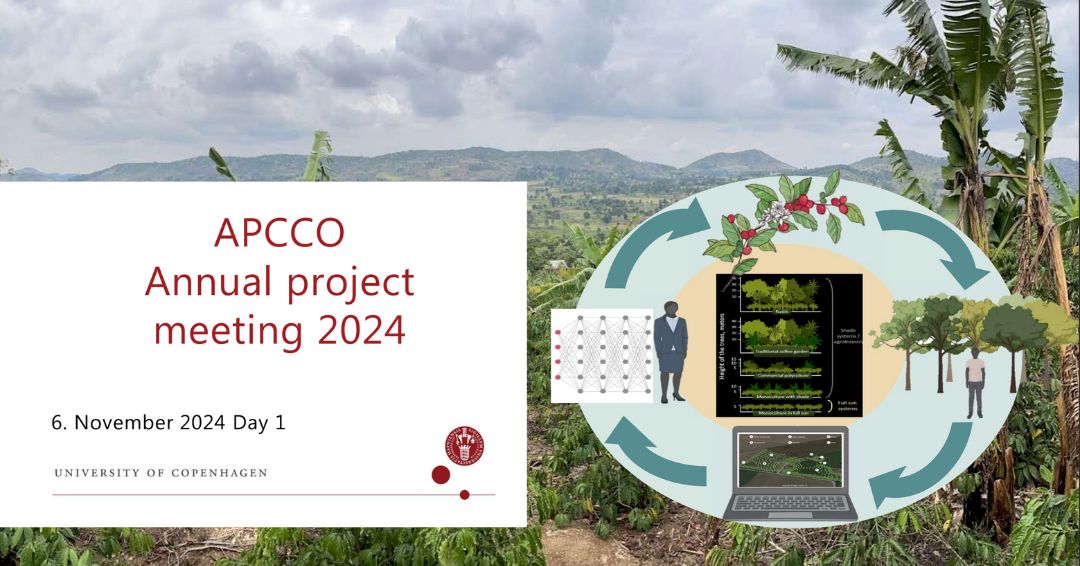
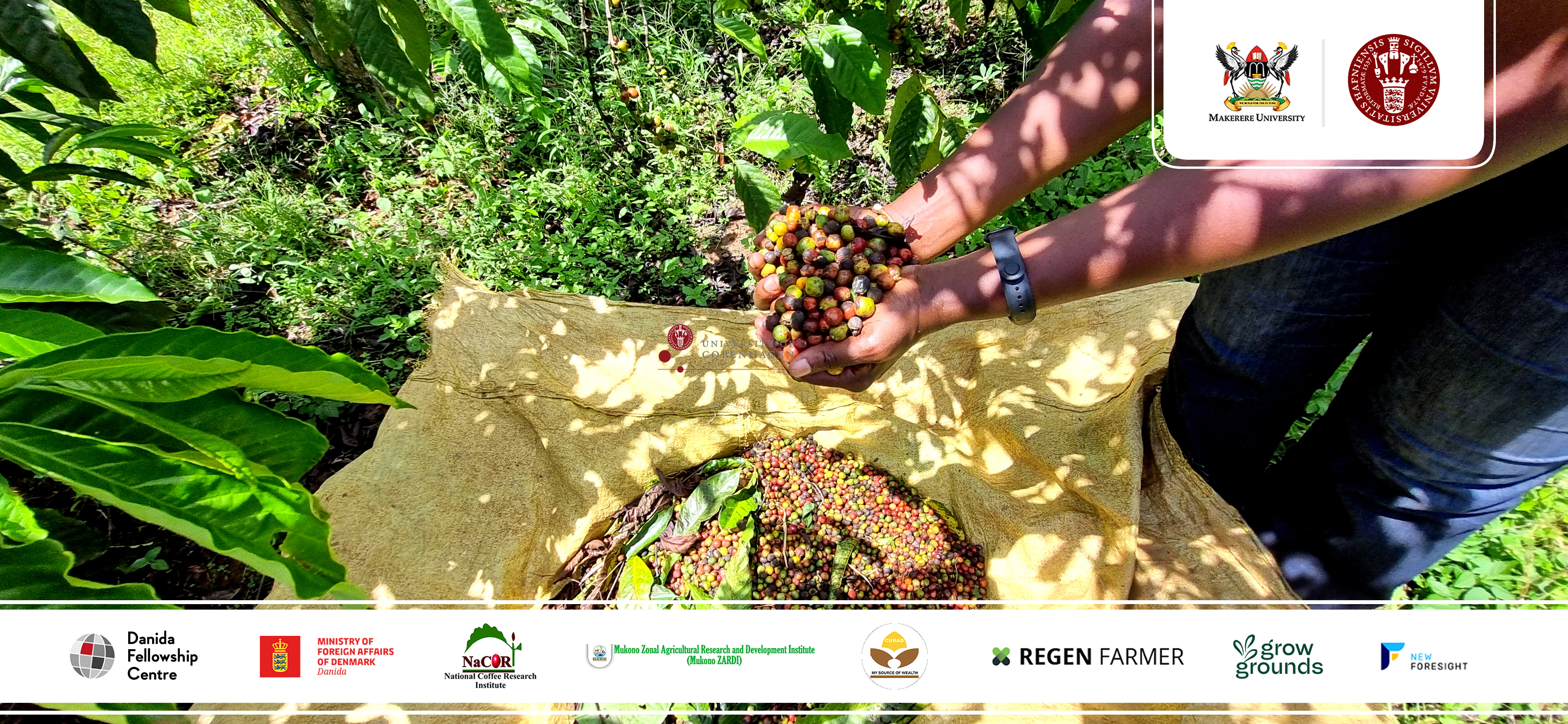
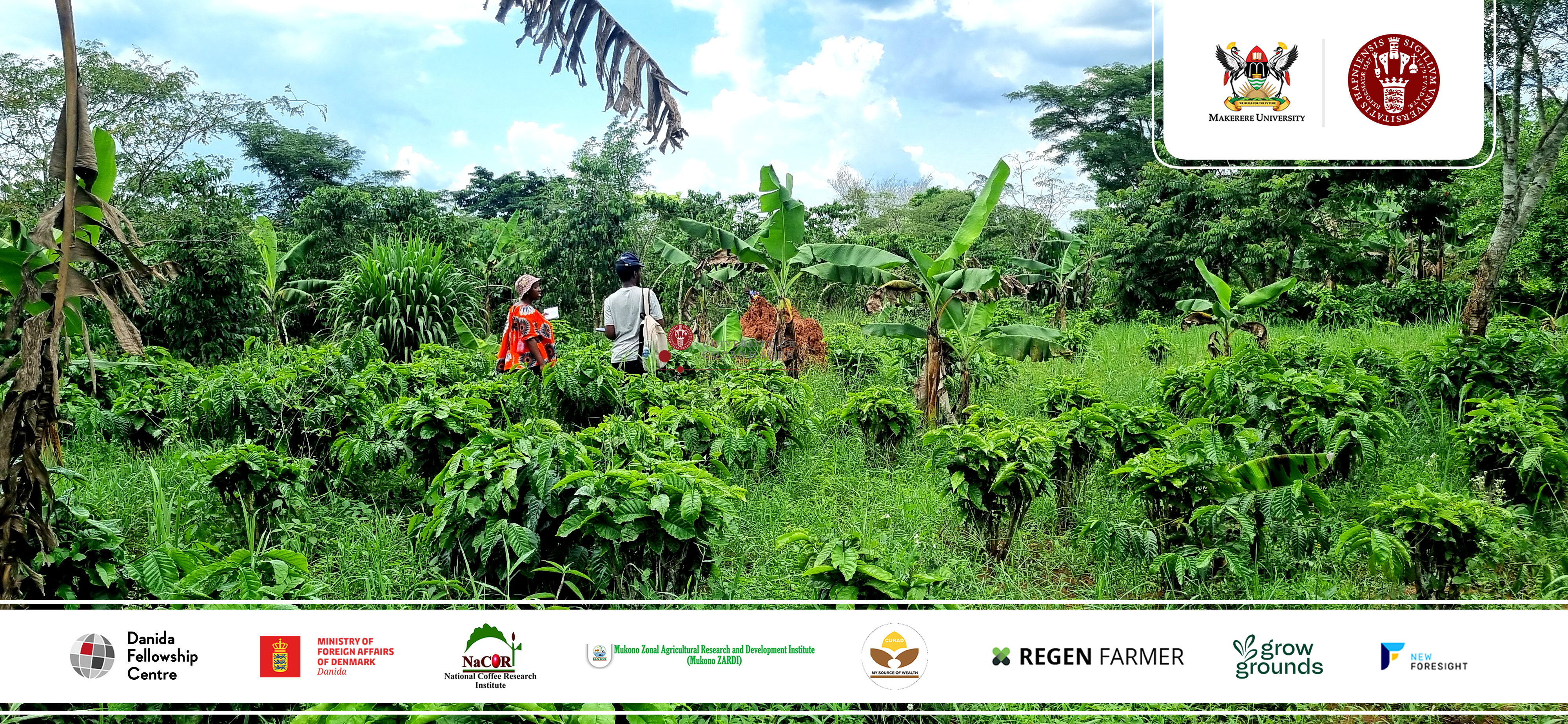
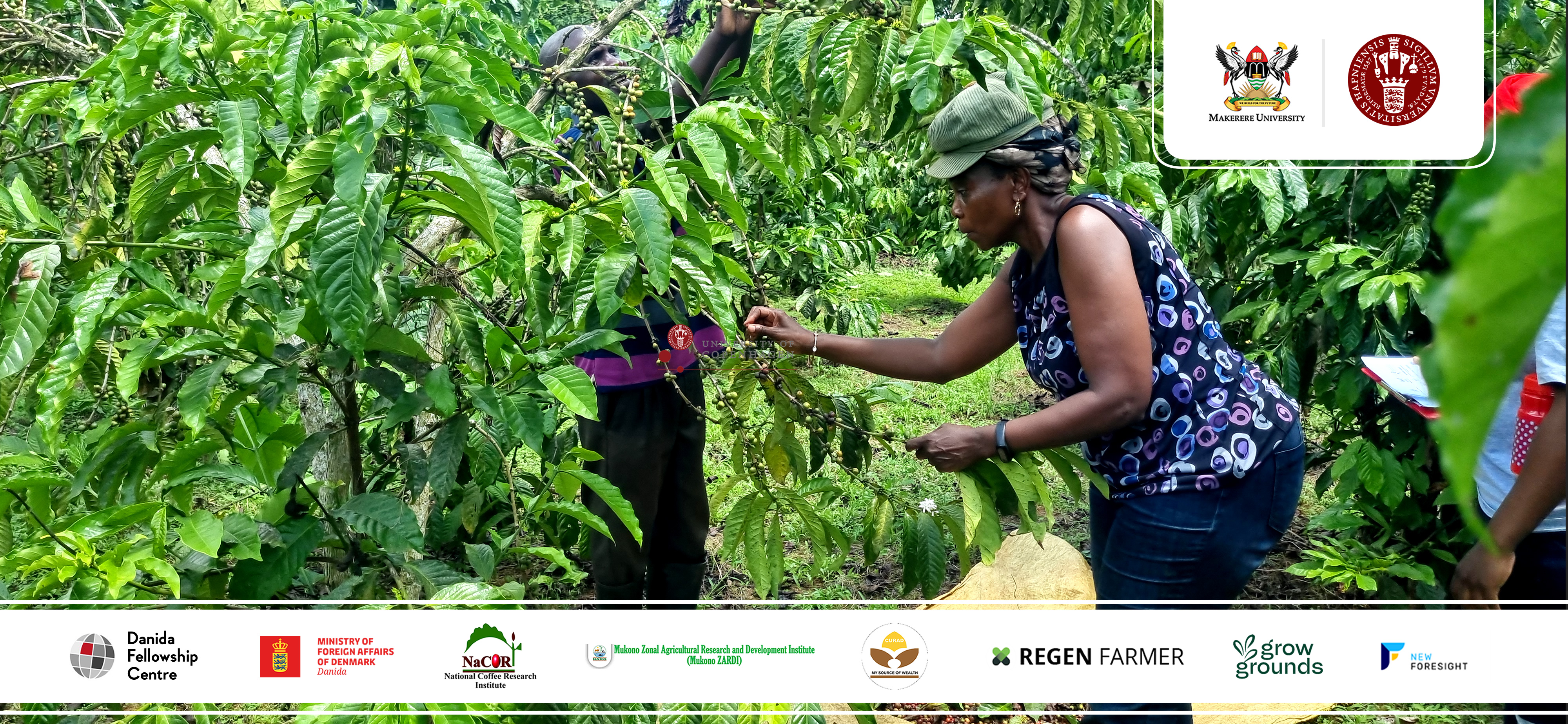
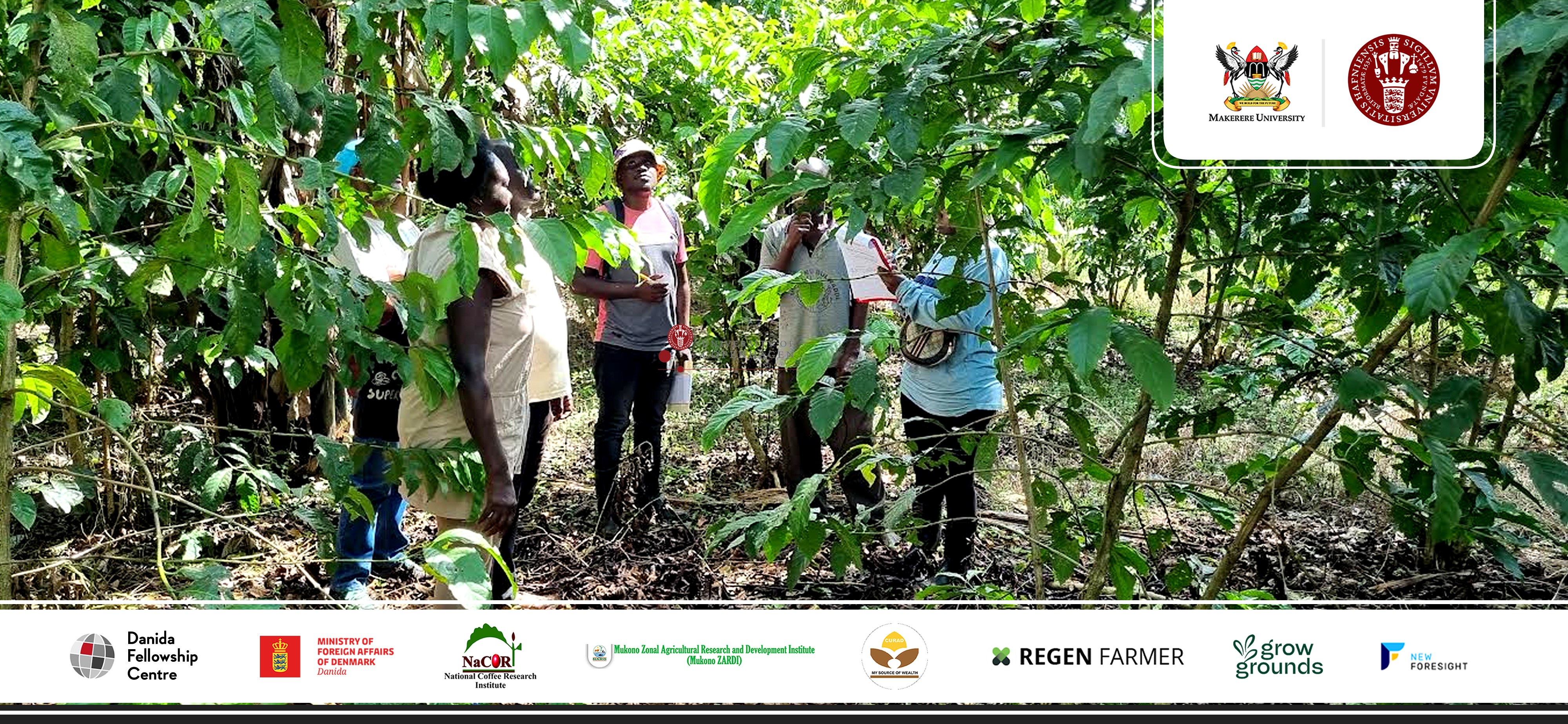
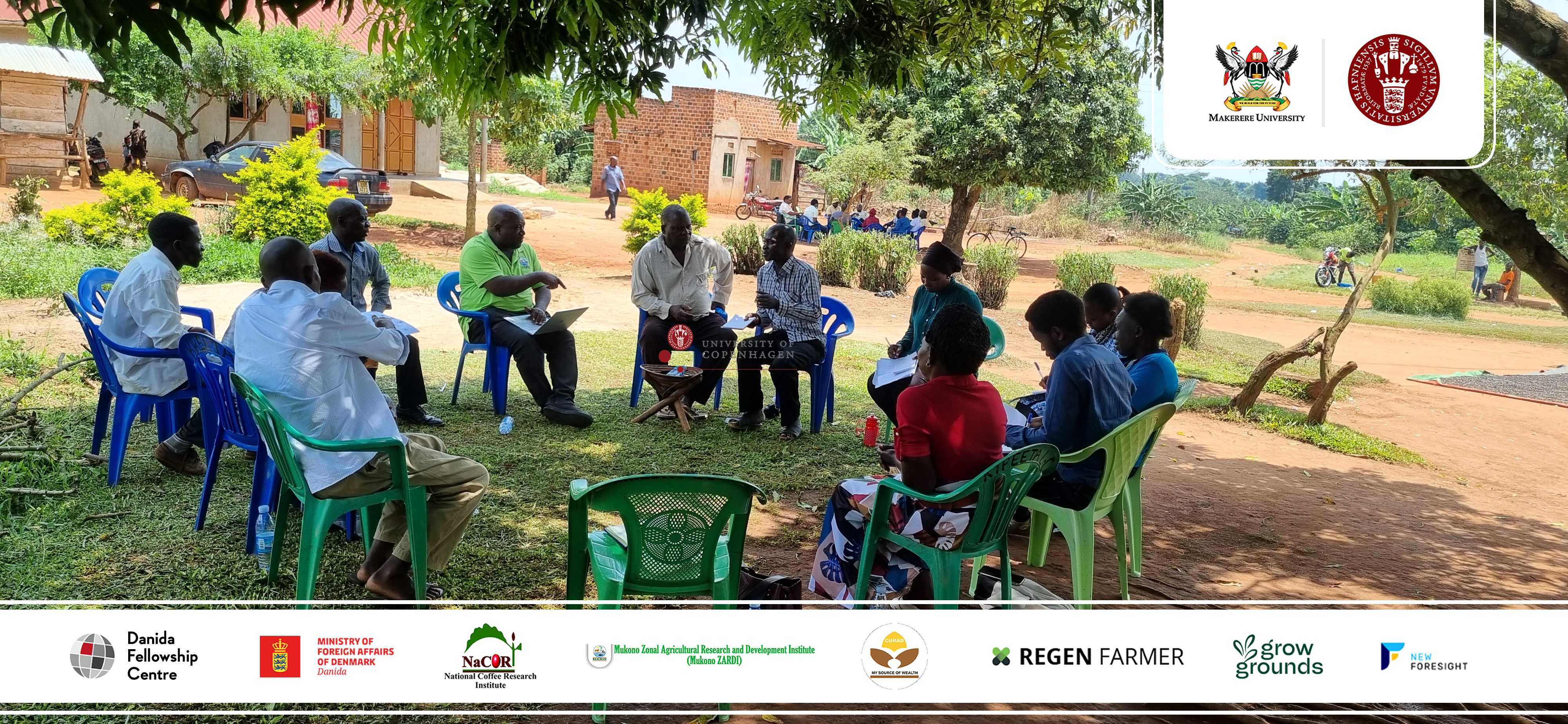
Climate changes associated with higher temperatures, droughts and changes in rainfall patterns is a huge threat to the lives of coffee communities across the globe, including in Uganda. The use of agroforestry (AF) practices, i.e. planting of shade trees on coffee farms, is one of the recommended nature-based strategies against climate change. However, despite the widely known benefits of AF, only a small share of the world’s coffee production comes from this kind of shaded production systems. Why is this? This paradox is central in the research project “The Agroforestry Paradox - Climate Clever Coffee” (APCCO), which looks to uncover the biophysical interactions, local ecological knowledge and socioeconomics behind on-farm decisions relating to coffee-AFS and climate change. The project focuses on Robusta coffee, which is the commercially most important coffee species in Uganda, but has been partly neglected in coffee research. The APCCO project is funded by the Min...
The Paradox
This is a situation where facts seem contradictory yet reveal a deeper truth. In the APCCO project, the "agroforestry paradox" describes why Ugandan coffee farmers avoid beneficial agroforestry systems (AFS) despite their proven advantages like climate resilience and higher incomes. While science and policies promote AFS, most farmers still use risky monocultures. This contradiction highlights hidden barriers - economic, social, or institutional that the project aims to uncover and address.
Research Objectives
The project is structured into five work packages (WPs), each led by designated leaders and PhD students: WP1 focuses on agronomy and tree-coffee interactions; WP2 on farmer adoption and socio-economic aspects; WP3 on digital tools and living income measurement; WP4 on living labs and business models; and WP5 on integration, management, capacity building, and dissemination
Latest News & Opinions
Our duty towards you is to share our experience we're reaching in our work path with you.
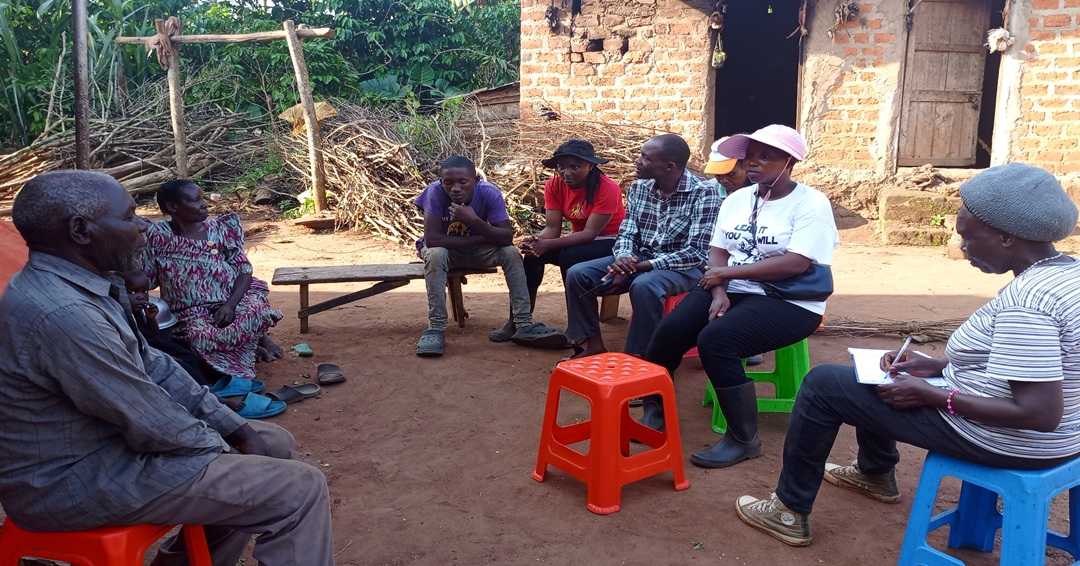
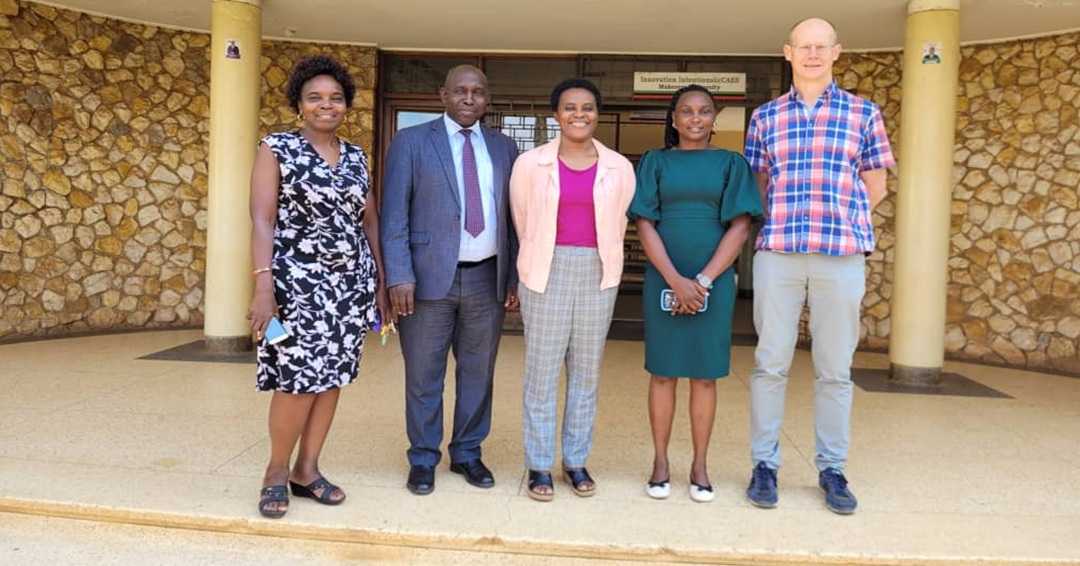
Advancing Agroforestry Research through International Supervision: Agroforestry Expert Prof. Anders Ræbild Visits Uganda
01st October, 2025 11:36am
Unveiling Food Market Realities: Pilot food Price Survey in Mukono and Nakaseke Districts
01st October, 2025 11:28am